
Lessons from the Freeway: Driving Through LA’s Shifting Wine Scene

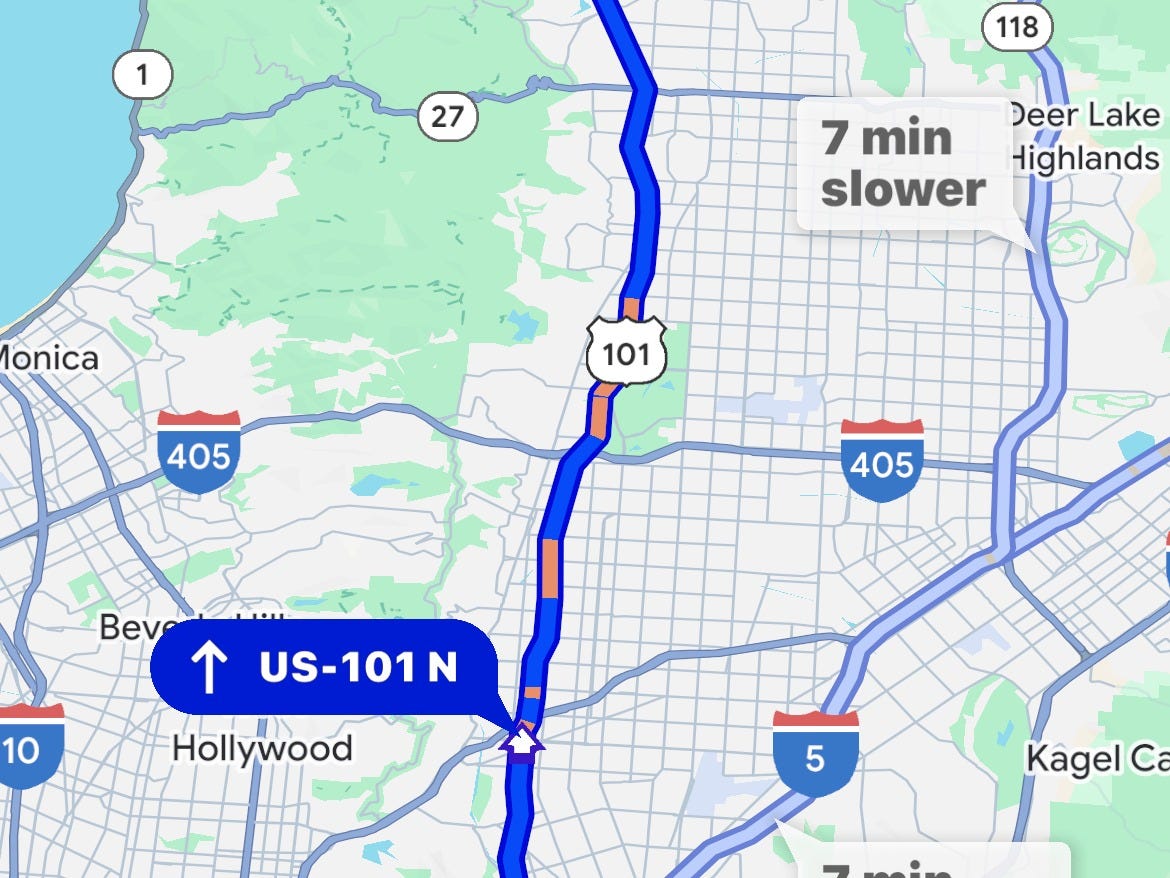
I used to be afraid to drive on the freeway. Now it feels like that’s all I do.
This summer has been a crash (no pun intended) course in driving the freeway alone with my anxieties. When I drive, I sit straight up; it makes me feel like I have control over the road. My fear of the freeway has given way to my fear of going over 80 miles per hour, so I try to hold steady at 75.
I am a wine rep in LA, which means I’m a door-to-door salesperson of sorts. I visit restaurants, bars, and wine shops (anywhere that sells wine) and hope to sell them my wares. I represent wines from all over the world, with the common thread being that they’re all small production. I sell wine made by people who might live on a tiny plot of land that yields just enough grapes for a few hundred bottles, or by winemakers who buy fruit from growers and transform it in a small cellar or shared space. These are not the ex-Disney CEOs who retire to a vineyard. They are not the ones who get rich off wine.
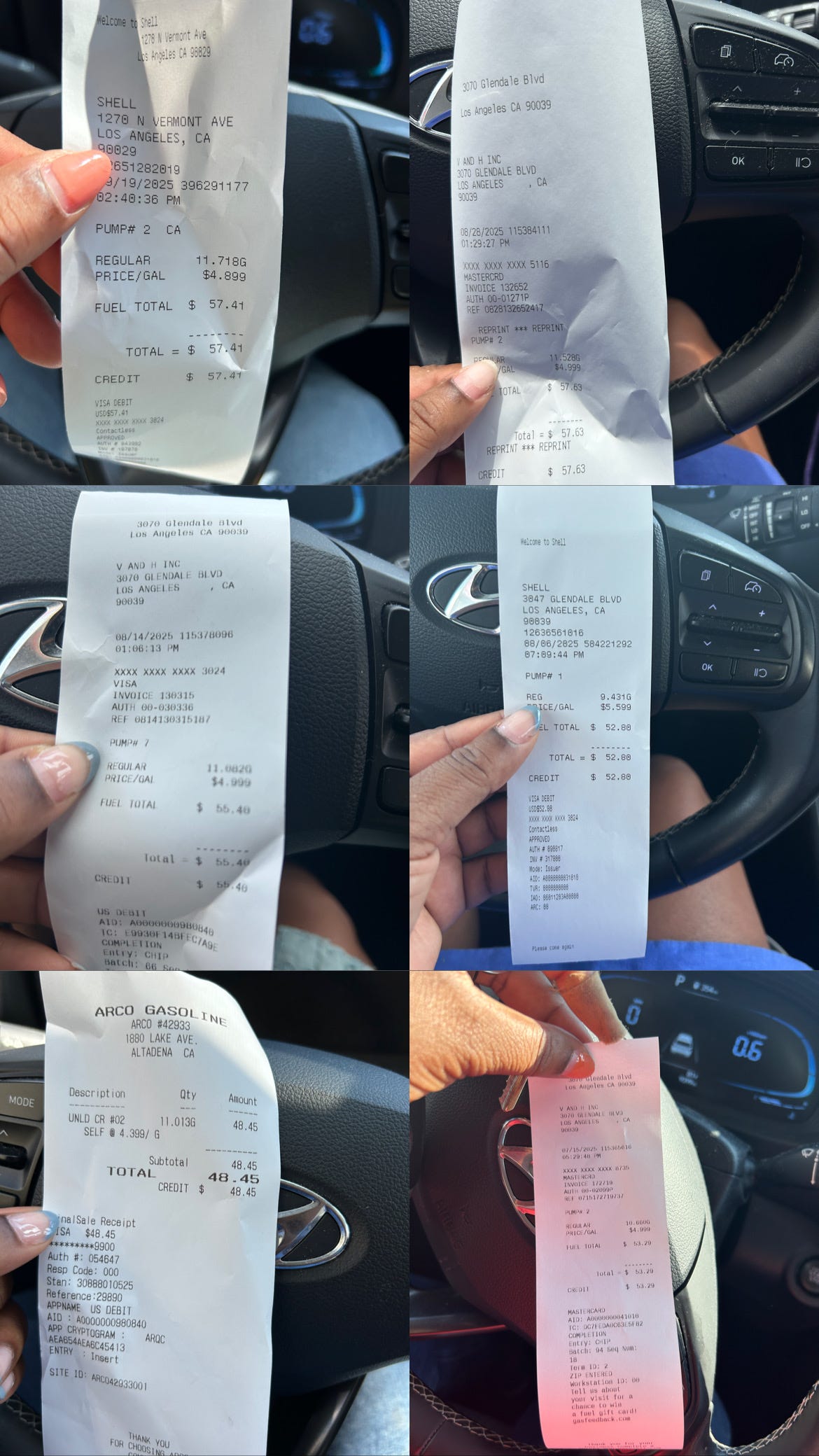
I spend so much time on the freeway because my territory extends outside of LA County into Santa Barbara, Ojai, Ventura, and the Central Coast. I’ve made it my mission to conquer those areas as best as I can. And honestly, driving that far makes me feel like I’ve accomplished something. The act of driving alone feels like work to my brain.
Even though I was born and raised in LA, I didn’t learn how to drive until I was 30. At 16, my mother tried to teach me, but she was so anxious about me being on the road that she yelled, gasped, and shamed me out of driving. At 18, I moved to New York for college and spent the next 12 years never even thinking about cars. Public transportation — and the occasional nondescript black car driven by a stranger — was good enough for me.
When I finally packed up my little dog and moved back to LA, the first thing I had to do was learn to drive. My mom had already tried. That went badly. So I asked my dad to teach me. He’d already taught his other daughters, and he was calmer, more patient. Where was he when I was 16 and needed him? You’d have to ask him.
After failing my driver’s test once, I passed on the second try and brought my license home. My dad offered me my first car — a 2002, rusted and busted convertible Mustang. I drove that tank for about seven years and, in all that time, only got on the freeway twice. Both times were by accident. Both times, I screamed and had to talk myself down until I could exit. Otherwise, I stuck to side streets no matter how long it took. Luckily, I was surrounded by enablers, including my boyfriend, who loves to drive and didn’t mind errands or long, meandering trips through the mountains.
But I knew the freeway would eventually be unavoidable. I live in LA. I said goodbye to the Mustang and bought a new car with lane-departure warnings, blind-spot alerts, and all the beeps. It gave me the confidence to finally merge.
Now I enter the freeway with confidence. I change lanes with vim. And from that driver’s seat, mile after mile, I’ve had time to take in what’s happening across this city.
In Los Angeles, I’ve found a food and beverage industry waiting to catch a break. The city has been battered — pandemic, strikes, fires, ICE raids, economic downturn. Everyone is trying to make sense of what to do. A wine shop owner told me he lost 20% of his club members because the film and TV industry hasn’t recovered. A restaurant owner confessed she feels terrible for cutting shifts, but it’s the only way to keep payroll afloat. We’ve watched closures pile up. Restaurants too delicious to fail have failed. Fine dining has scaled back. Chicken wings and a bar burger might be enough to keep people coming through the door.
.
But then I head north. I stop in Ojai or Ventura, and the air is cooler there, the ocean breeze more constant. There’s more optimism in places where people are used to the ebb and flow of tourist season.
And everywhere — in LA, in Ojai, on the Central Coast — the thing that never stops is people opening new businesses. It seems impossible. The costs should topple anyone who tries. But they keep at it, hopeful and excited about creating something new. That’s one of the perks of my job: the jolt of hope that comes from meeting someone with a vision for their community. A restaurant, a wine shop, a curated market — these might feel like luxuries, but can we really live without them?
Driving the freeways this summer reminded me that even when the city feels uncertain, there’s movement. Restaurants adapt, shops hold on, winemakers keep making bottles worth opening. The road ahead might be bumpy, but it’s still wide open — and that feels like hope to me.
This Week’s Tiny Pleasures, Vol. 2
A few things that momentarily distracted me from **gestures wildly**
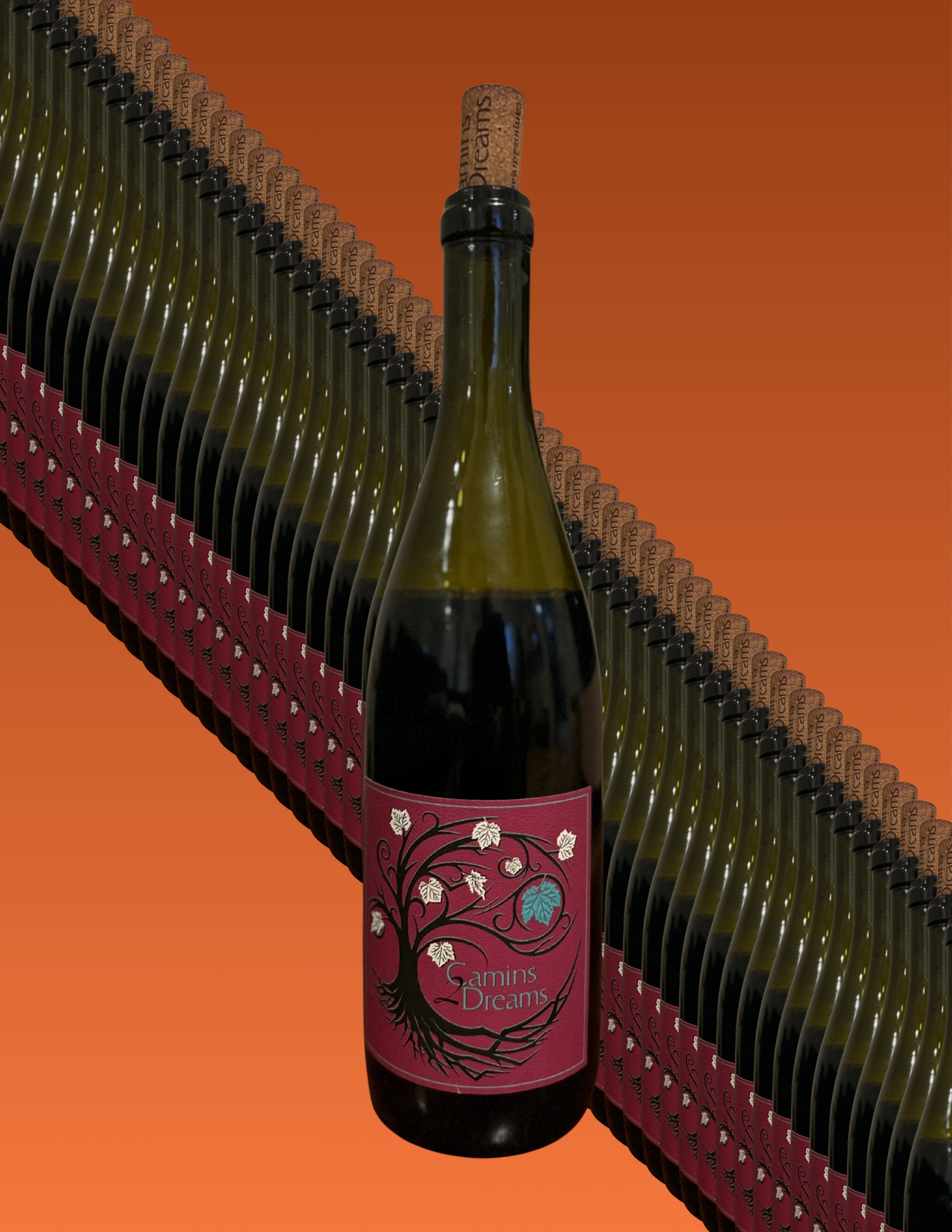
🍷 Camins 2 Dreams is Tara and Mireia, a wife-and-wife team making beautiful wines out of Santa Barbara. They source their fruit exclusively from vineyards in the Sta. Rita Hills — a small, wind-swept appellation in Santa Barbara County known for its cool climate and fierce sense of place.
Their focus is on minimal-intervention, natural winemaking, and collaborating with growers who share their values: respect for the land, the people who farm it, and the rhythms of nature. The Carignan for this bottling comes from Happy Canyon Vineyard.
I love how plush this wine feels. It’s all tart red fruit, spice, and jasmine. It’s very fall, the kind of wine you want to drink while wearing a cozy sweater.
🍿The best thing I watched this week: Inside a Hidden LA Greenhouse Full of the World’s Rarest Plants | Architectural Digest.
It’s a peek inside a place that almost no one gets to see, a greenhouse tucked among a cluster of nondescript industrial buildings in DTLA. Visitors are rare, and none of the plants are for sale. The space houses more than 10,000 of the rarest plants in the world. One of them, Haageocereus tenuis, is nearly extinct in the wild. I went down a little rabbit hole afterward and discovered you can actually buy one at the Cactus Store Studio, if you happen to have $250,000 lying around for your collection.
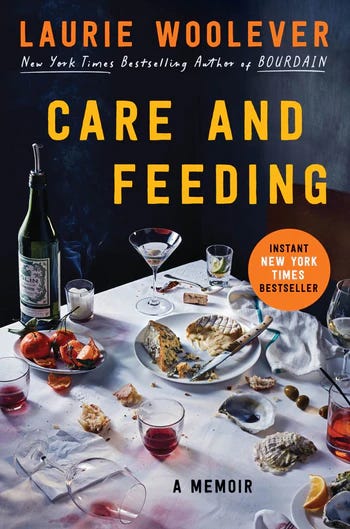
😍 I picked up Care and Feeding because Laurie Woolever was Mario Batali’s assistant at the height of his orange-Croc, thin-ponytail-wearing fame. She was also Anthony Bourdain’s assistant until he passed. What initially drew me in was the tea — and it absolutely delivered on that.
It also delivered on the nostalgia I feel as someone who worked in restaurants in New York in the early aughts. What I didn’t expect was how honestly she writes about her own addictions. Her mistakes are laid out so plainly, so infuriatingly, that it’s hard to look away. It made me nostalgic for restaurant chaos — but grateful I don’t have to polish flatware or cry in a walk-in anymore.
Thanks for reading!
If you enjoyed this story, I’d love for you to:
💌 Subscribe to get new essays straight to your inbox.
🌐 Visit my blog, Lavern’s Fine Wine