
Anatomy of a Wine Program
What building wine programs for a grocery store and a restaurant taught me about taste, community, and the economics of selling wine

Before a wine program can be created — after the food has been decided on, after a chef has been hired, after the space has been imagined into existence — a restaurant owner, shop owner, or chef has to ask one question: who are my guests going to be?
I’ve been lucky. The people I’ve worked with have mostly lived in the neighborhoods where they built their businesses. Their guests weren’t abstractions. They were neighbors, friends, people opening their doors for the first time to see what was going on inside. Even when someone is coming into a neighborhood, I think the best business owners still ask: how do I serve the people who live here? How do I bring together what I love and what they’ll actually want?
Wine (and beer and spirits) are the backbone of all food businesses. It’s the thing that keeps the margins a little less thin. It enhances a meal, gets grabbed for a dinner party, or goes home with someone for a Tuesday night on the couch. The beverage program is rarely the thing a restaurant owner leads with when they’re describing their vision. But it’s often the thing that determines whether the business survives.
Because owners have so much on their plates, sometimes someone like me gets called in. I work as a freelance wine director — curator, buyer, whatever you want to call it. I come in with a point of view, a network, and a lot of opinions, and together with the owner we figure out what the list should say.
I’ve built a couple of them now. And each one taught me something different.
Retail Buying
A few years ago, I was working a wine PR job and felt like I couldn’t do anything right. I was starting to lose confidence and wondered if I should quit it all and become an underwater welder or tiger tamer — anything to get me away from behind my desk.
Then I got a message from Ariell Illunga.
She’d found me on a website highlighting Black wine professionals and said she was opening a store. After years managing one of Los Angeles’ largest farmers markets, she wanted to bring that feeling of shopping small and local to Highland Park. But she didn’t feel confident in her wine knowledge.
I was happy to take on the project. The brief was simple: wines made in the same spirit as the groceries lining the shelves — small-batch, artisanal, organic, and made by marginalized producers from around the world.
We tasted bottle after bottle until we filled the fridge and table where the wine would live.
That buying position gave me back my confidence. I knew how to educate staff, keep shelves stocked, and trust my own opinions about wine.
Carla’s was a small business in a hard market, in a city that asks so much of people trying to build something good. The fires. The economic pressure.
The business didn’t make it through all of that.
Intermission: Ode to a Wine List

(image i'm reciting this to you table side. there are four people at the table and between lines i take a beat to make sustain eye contact with each of you. don't laugh)

(i clear my throat)

before a bottle can grace the table
before a cork can be popped
before the chatter can get rolling
you must first be dropped

lines and lines of states and countries
rows and rows of varieties
it all falls into place and time
you offer endless ways to rhyme

excuse me can you help us with this list?
excuse me there are so many questions that exist
it’s difficult we just don’t want to miss
please leave us with all of your favorites

We have been looking forward to this engagement.
The Restaurant Wine List
Ariell introduced me to Kaiy, the owner of Neighbors and Friends Kitchen in Pasadena, and this project felt different from the start.
My role here was less curator, more connector. I made the tasting appointments, took notes, and brought my opinion to every conversation and I was also there to serve a brief. And this brief was specific: all California wines, with a focus on underrepresented winemakers.
The tastings themselves felt different too. They were big family affairs, the kind of room where the energy was warm. I was there to listen, take notes, and gather opinions. I was happy to hear each wine rep out and, at every tasting, I was fed. It pays to be part of a project while they’re still deep in food research and development.
The owner also had a commitment I found quietly radical: she wanted a very conservative markup on the wine. In an industry where markups can make wine feel like a luxury tax, she wanted guests to drink well without breaking the bank. That’s a values decision. That’s someone saying: the people at my tables deserve access to something good, and I’m not going to use wine as a profit center at their expense.
That kind of thinking shapes a wine list as much as any tasting note.
What I’ll Bring to My Next Project
Here is what I know now more than ever:
A wine list is a document of relationships. One of the biggest parts of this work is the relationships I’ve built with other wine reps along the way, people whose portfolios and opinions I’ve come to trust. And who I want to spend time with.
Every bottle represents a conversation, a tasting, a trust extended. When you see a wine on a list by a small producer someone made the decision to put it there. Someone decided that story was worth telling.
A brief is everything. Before starting any project, you have to decide what matters most. What do you want to bring to your guests? There is nothing wrong with region, variety, or price being the thing that guides a list. But there is something special when the choices reflect what you truly believe in.
The next time you open a wine list, I want you to read it a little differently. Not as a test to pass, but as a document. Ask yourself: whose values are reflected here? Who was thought of when this was built?
You might be surprised by what you find.
Tiny Pleasures, Vol. 11
I’m obsessed with tiny living spaces and this YouTube Channel Never Too Small is my favorite.
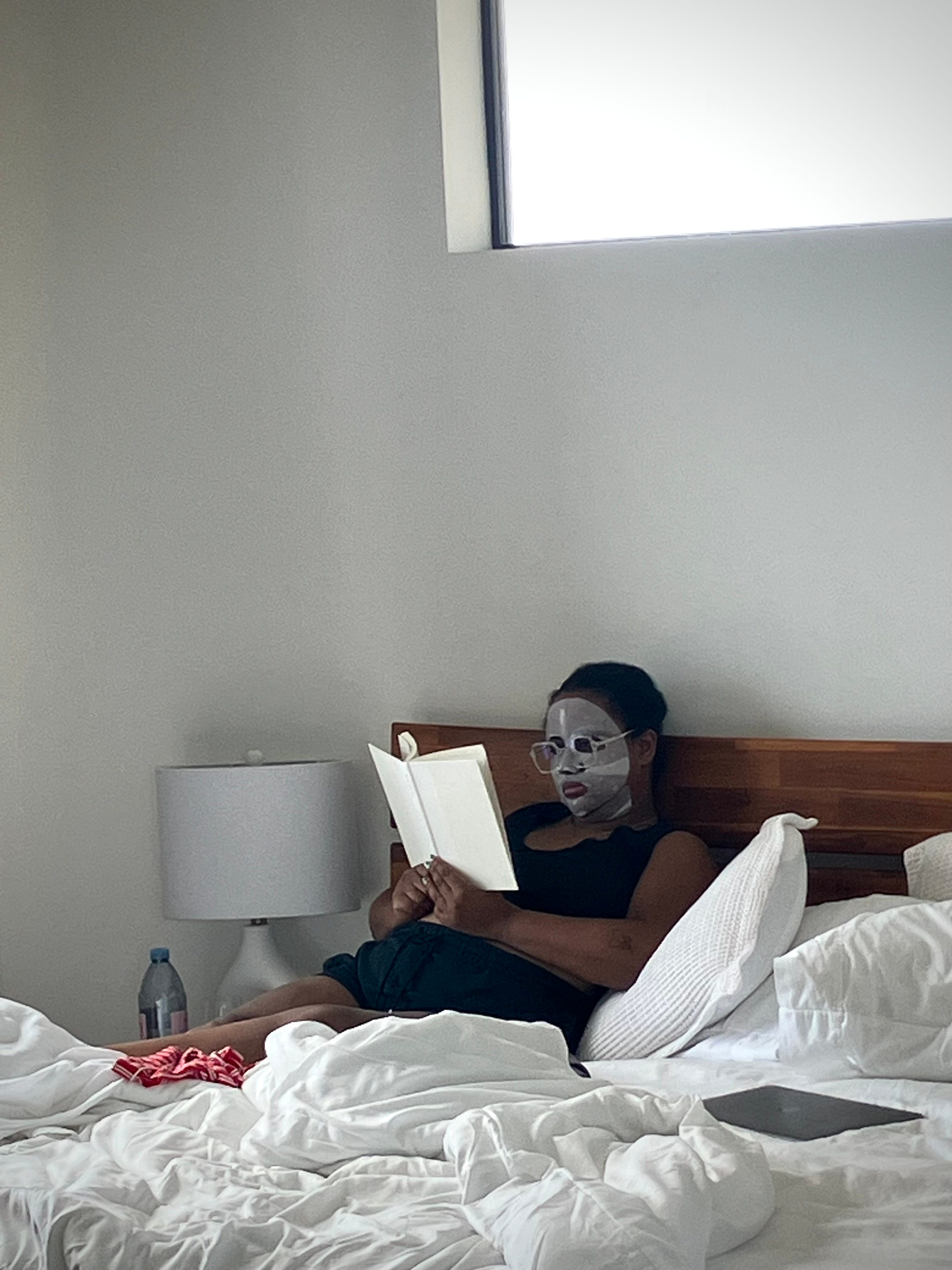
I’d like to spend my time doing this more:
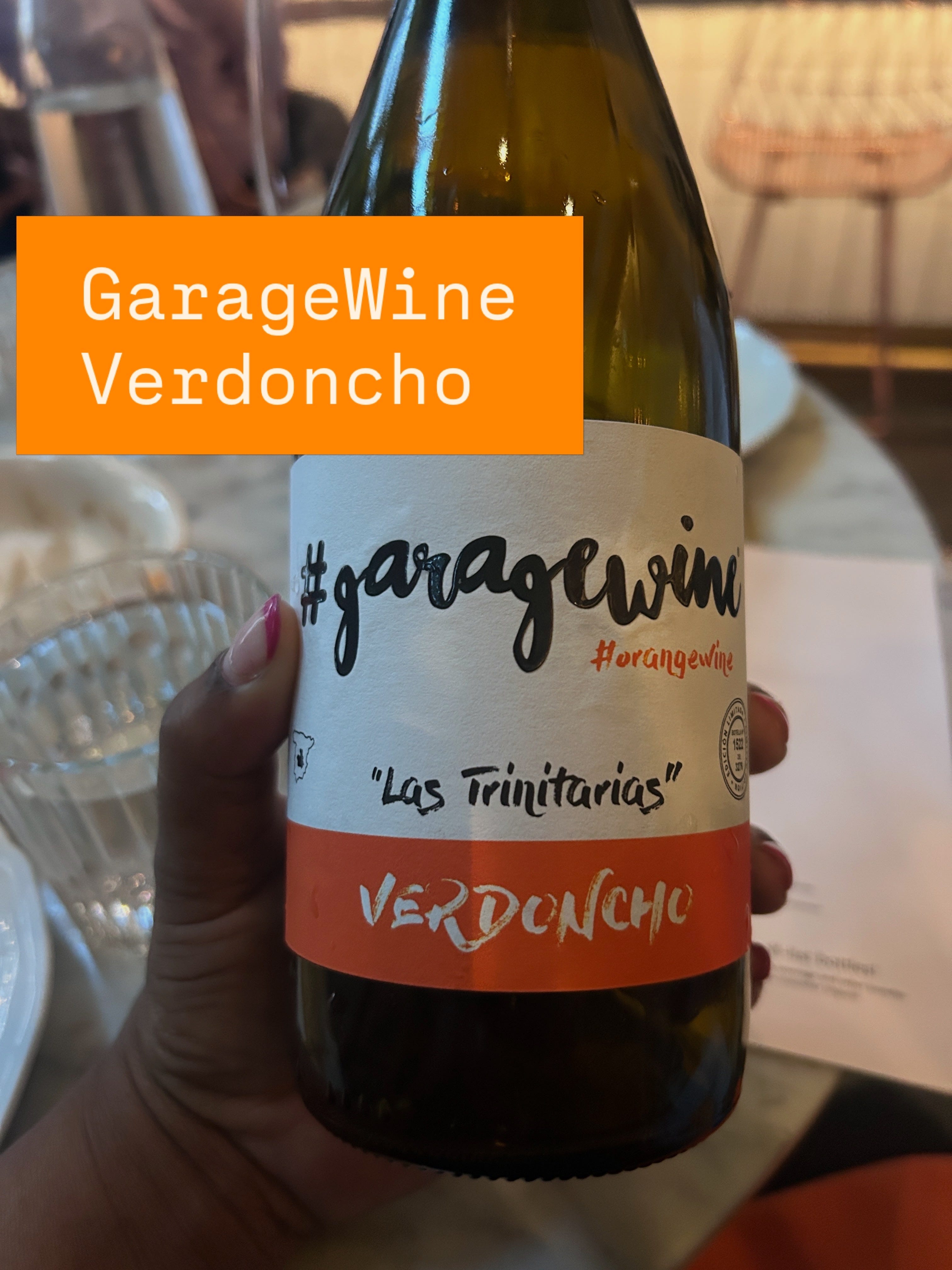
Drink this:
Well said! A wine list should absolutely tell a story. I see too many that don’t and it’s unfortunate. Keep up the good work!
The story a wine list tells! Very insightful of your process. Thank you for sharing!