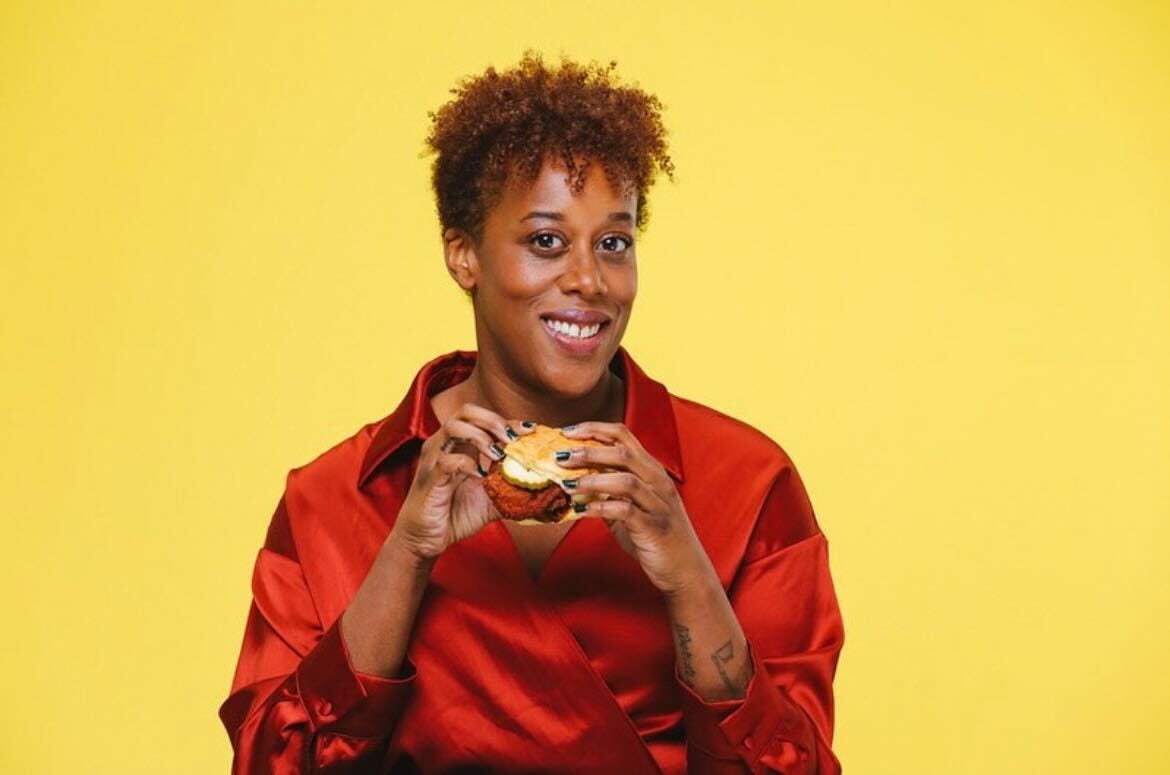
A Conversation with Danielle Dorsey
On food, community, and why the best restaurants give us more than a meal

The air had finally started to cool as I sat at the table in my backyard for an evening Zoom with Danielle Dorsey.
I wanted to talk to Danielle because I’ve been following her work for a while now. As the senior editor and food guides writer at the Los Angeles Times, she’s responsible for some of my favorite stories coming out of the paper’s food section. One week she’s braving Coachella in search of the festival’s best meals. Another week she’s riding a party bus across Los Angeles exploring the city’s Black food scene.
Her work doesn’t just tell you where to eat—it tells you why those places matter.
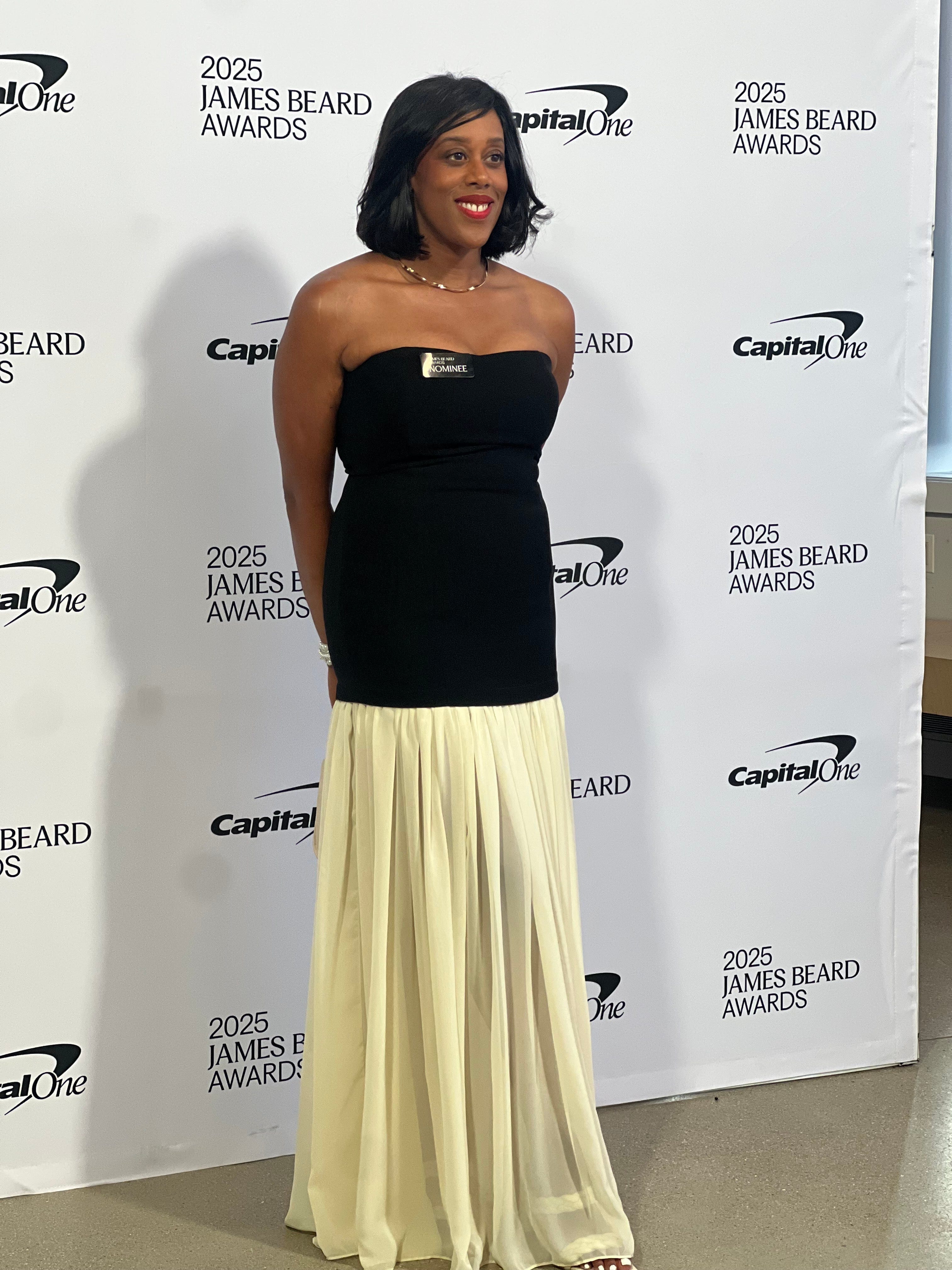
Last year, she was nominated for a James Beard Media Award for The Warmth of Black Traditions Around the Thanksgiving Table, a story that explored how Black chefs across the diaspora celebrate one of America’s most polarizing holidays. It’s thoughtful reporting that understands food is never just about what’s on the plate. It’s about memory, migration, identity, family, and community.
As someone who writes about wine, I’ve found myself thinking about that often. The best food writing isn’t really about food. It’s about people.
So I wanted to know how Danielle became one of the voices documenting Los Angeles’ constantly evolving restaurant culture.
It turns out, she didn’t set out to become a food writer at all.
“I’ve always written,” she told me. “From the time I could write, I carried a notebook around and filled it with observations and little stories.” That instinct followed her through college, where she studied English and creative writing, before graduating into the uncertainty of the Great Recession. Rather than chase the perfect job, she made herself one promise: every job she accepted would somehow involve writing. Whether she was working in marketing, public relations, or technical editing, she kept writing until freelance work eventually became sustainable enough to support her full-time.
Interestingly, food wasn’t the original destination either.
Travel was.
As Danielle traveled through Mexico—particularly Oaxaca—she became fascinated by mezcal, not simply as a drink but as a cultural artifact. Learning why mezcal can only be called mezcal when it’s produced in Mexico opened up a different way of thinking about food and beverages.
“Food is a way to connect to a place,” she said. “It’s a way to learn about a culture and engage with it.”
That curiosity would eventually become the foundation of her career.
Then the pandemic arrived.
Travel assignments disappeared almost overnight. Danielle joined Thrillist as the Los Angeles city editor, covering a city where restaurants suddenly became one of the few places people could safely gather outdoors. Food slowly replaced travel as the center of her reporting.
Her path to the Los Angeles Times came with an unexpected twist.
She had originally interviewed for a travel position and didn’t get it.
Later, when a job opened on the food desk, someone remembered the applicant whose portfolio had been “too food-focused” for the travel role. This time, it was exactly what they were looking for. She joined the paper as assistant editor of food guides before becoming senior editor.
One thing I was especially curious about was what excites her about Los Angeles restaurants right now.
After years of shutdowns, strikes, wildfires, inflation, and rising costs, she believes restaurants have become more creative than ever. Instead of simply serving dinner, many are becoming gathering places—hosting collaborations, pop-ups, guest chefs, and events that make dining feel like an experience worth leaving the house for.
“I’ve been seeing a lot more collaborations,” she told me. “Restaurants are really leaning into being gathering spaces and third spaces... giving diners an experience that’s worth coming out for.”
That observation stuck with me.
It’s easy to think about restaurants as businesses trying to survive. Danielle reminded me they’re also places trying to create community.
Of course, I couldn’t let her leave without asking where she’s actually eating.
One restaurant immediately came to mind: Si! Mon in Venice.
She described as a place that simply never disappoints, praising everything from the tuna carpaccio tostada to Afro-Caribbean shrimp dumplings and a bone marrow-topped pupusa that she still thinks about. “I’m always looking for an excuse to go back,” she laughed.
She also spoke enthusiastically about West Adams, particularly Alta Adams and the surrounding neighborhood, which she sees as a model for how restaurants can help strengthen a community while still honoring the people who have always called it home.
Before we wrapped up, I asked Danielle what she’d been enjoying lately for my Tiny Pleasures section.
Her list felt appropriately Los Angeles:
Browsing the wine shelves at Monsieur Marcel in the Original Farmers Market.
Picking up bottles from Sook in Mayden Market, which specializes in goods from from Tthe Middle East and North Africa
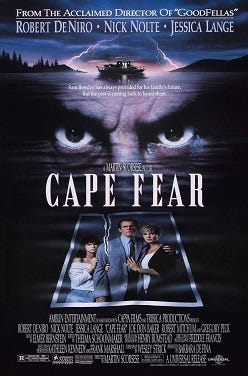
Watching Cape Fear on Apple TV.
Eating bags of Siete’s churro chips.
After talking with Danielle I realized what I admire most about her work.She doesn’t simply cover restaurants. She pays attention to the people, neighborhoods, histories, and cultures that make them worth writing about in the first place.
And that’s the kind of food writing I’ll always want to read.
Tiny Pleasures, Vol. 12
When even LA is humid these are a few things to help you get through it
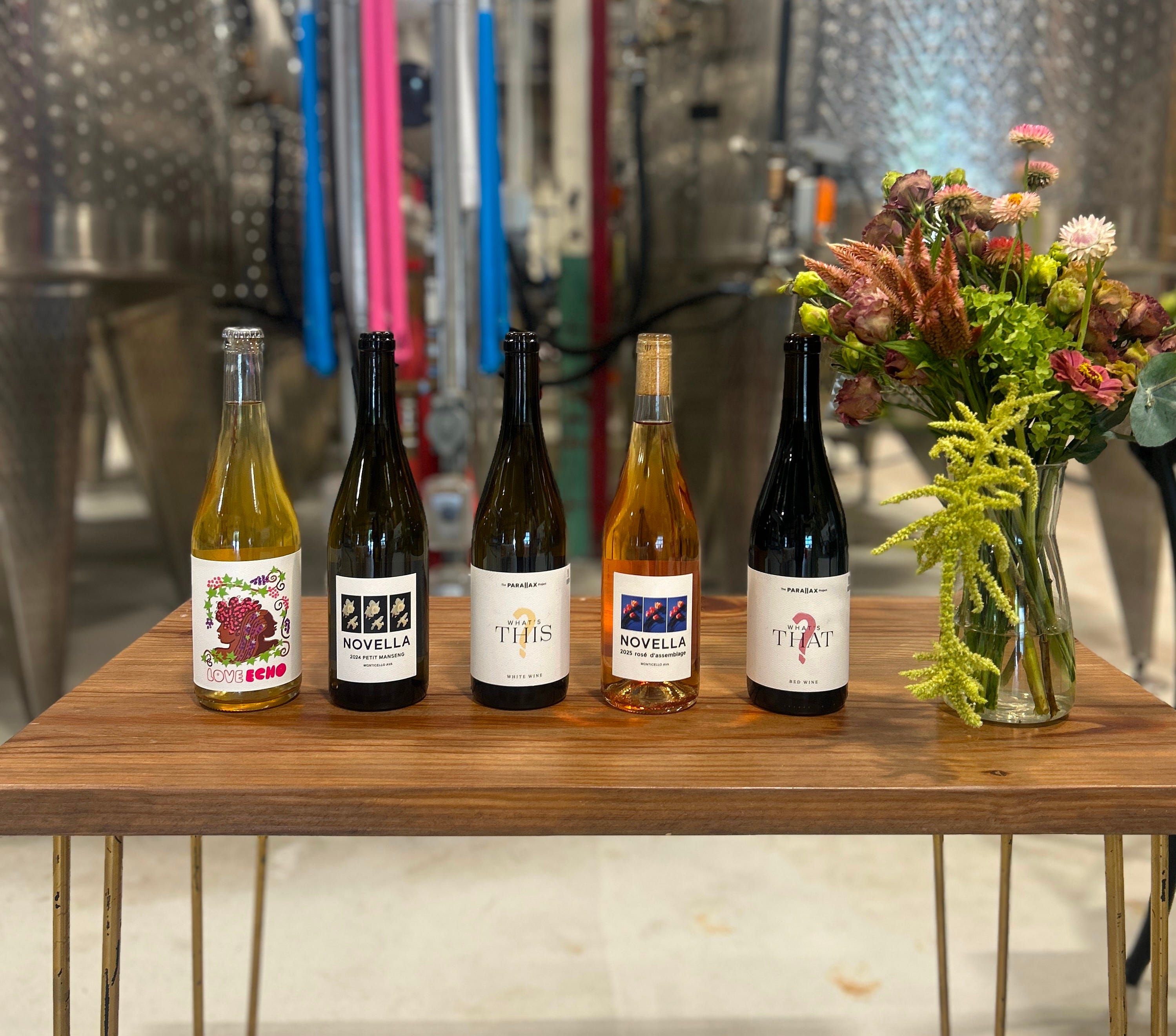
I recently returned from a wonderful trip to Charlottesville, Virginia, where I was immersed in the region's history, people, and wines. I'll be sharing much more about the trip in the coming weeks, but first I wanted to spotlight a few of the wines I tasted, each made by participants in the Common Wealth Crush Incubator.
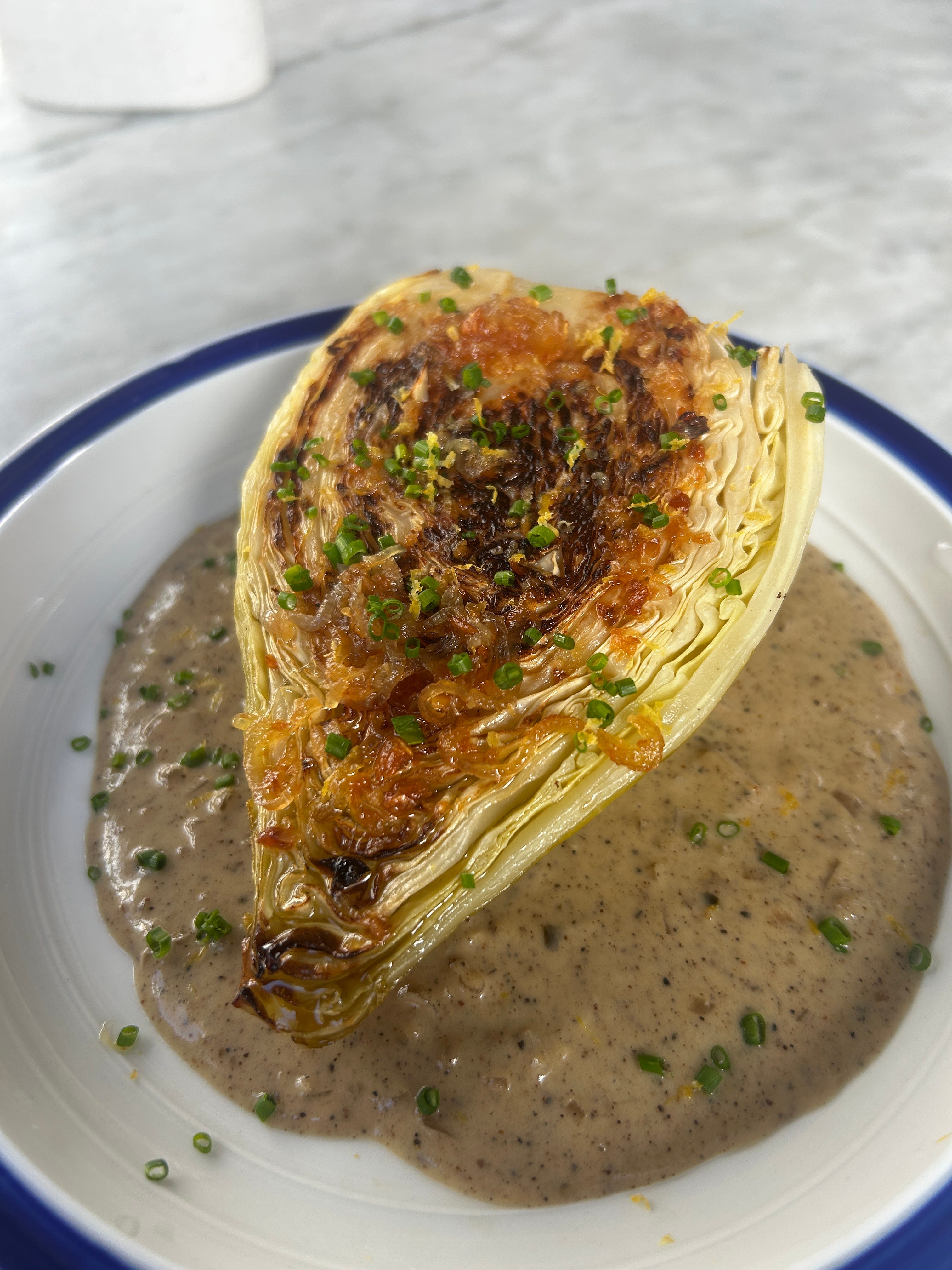
I love charred cabbage, especially when it’s paired with a creamy sauce. This version from Dudley Market in Venice was swimming in a peppercorn au poivre and finished with chives and lemon zest.
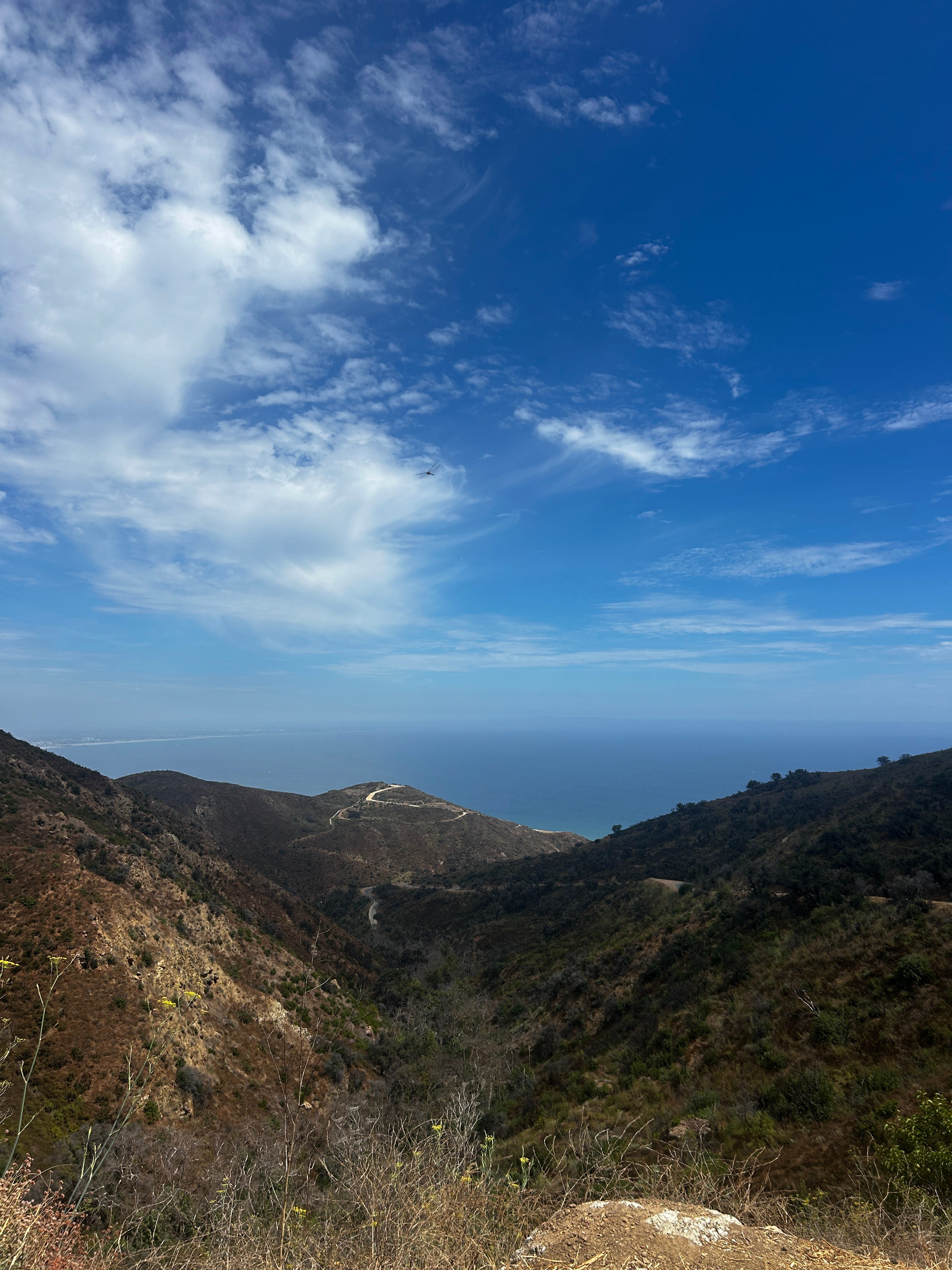
When temperatures start creeping toward triple digits, a trip to Malibu is always a welcome respite. One of my favorite drives is along Tuna Canyon Road, with its winding curves and sweeping views. At the end, you'll find a few pullouts where you can stop, take in the stunning scenery, and even yell into the canyon to hear your echo bounce back.
Danielle recommended the new Cape Fear TV series, so I thought it was only fitting to revisit Martin Scorsese’s 1991 film. Listen, this movie is genuinely unsettling—and I love it. Consider this your warning: it’s packed with violence and plenty of creepiness. But it’s also beautifully shot, with performances that teeter on the edge of hysteria and Southern accents so exaggerated you'll half expect Scarlett O'Hara to come sweeping down the staircase.